The Tireless
Parent
What Happens to Our Kids, Our Parents, and Ourselves When AI Humanoid Robots Come Home
November 16, 2026 · Amazon
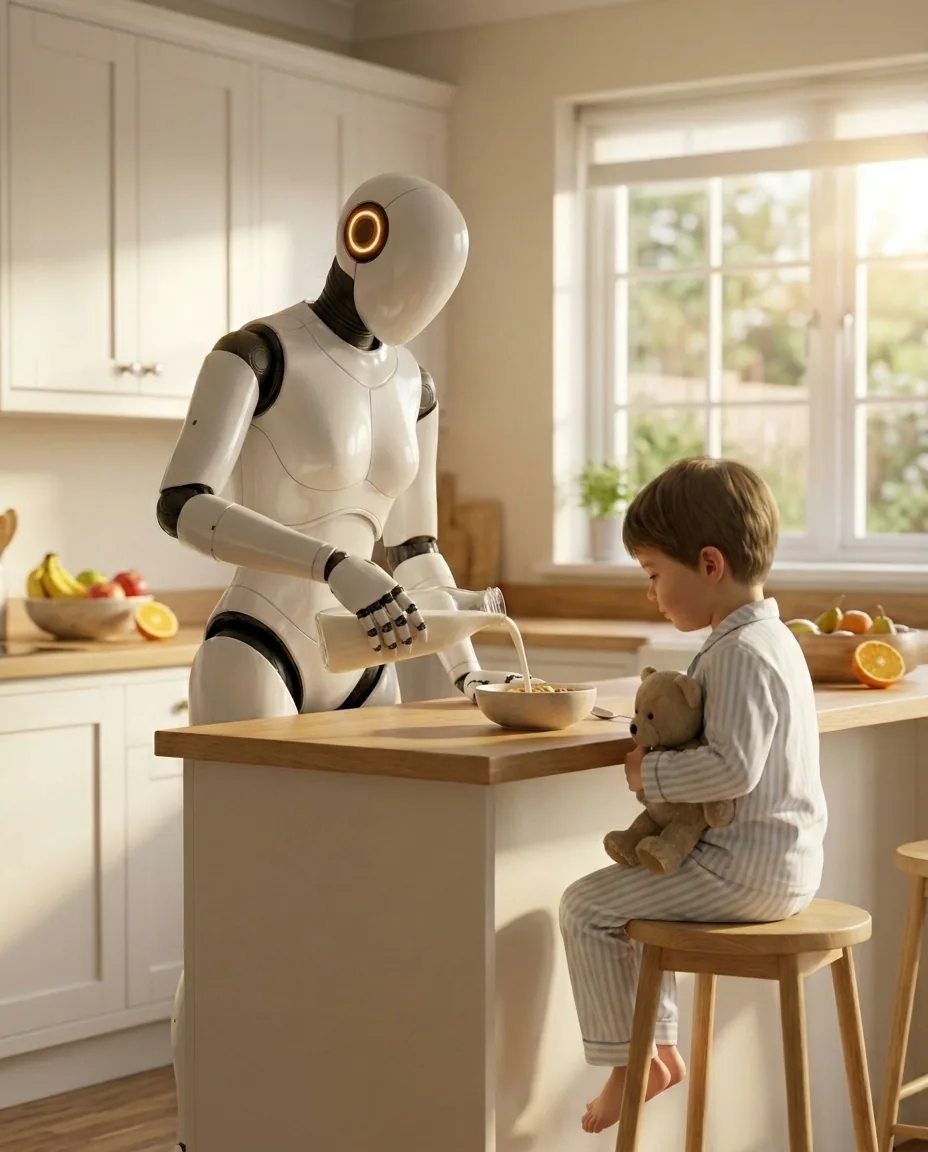
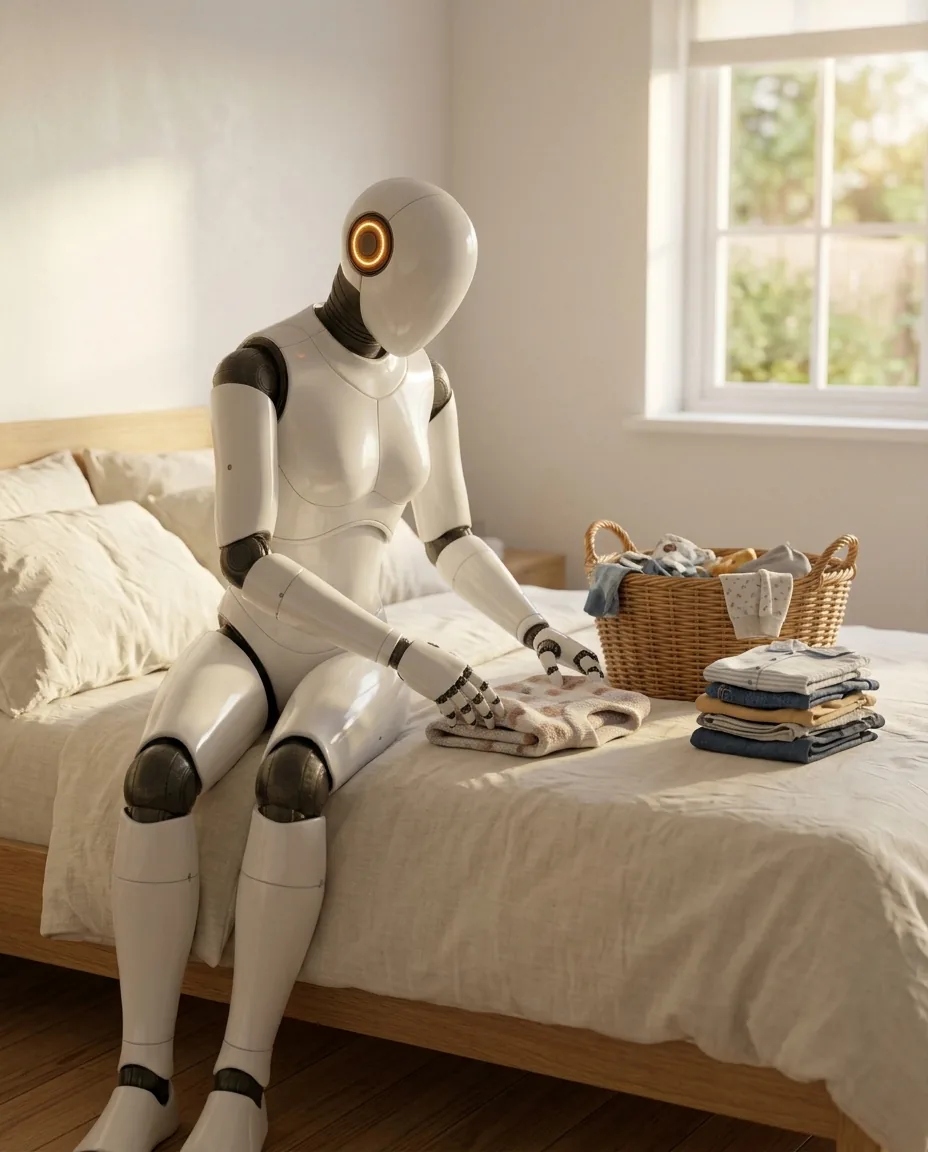
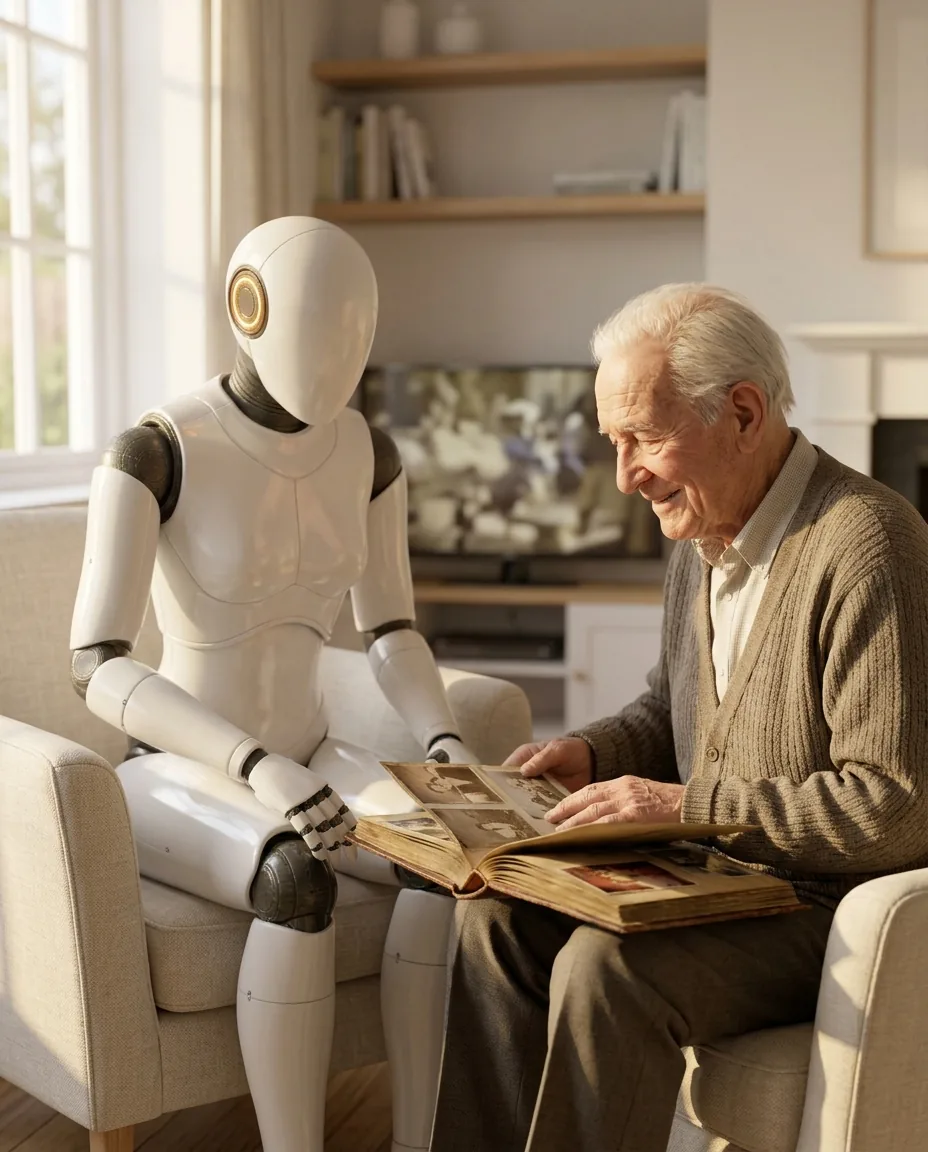
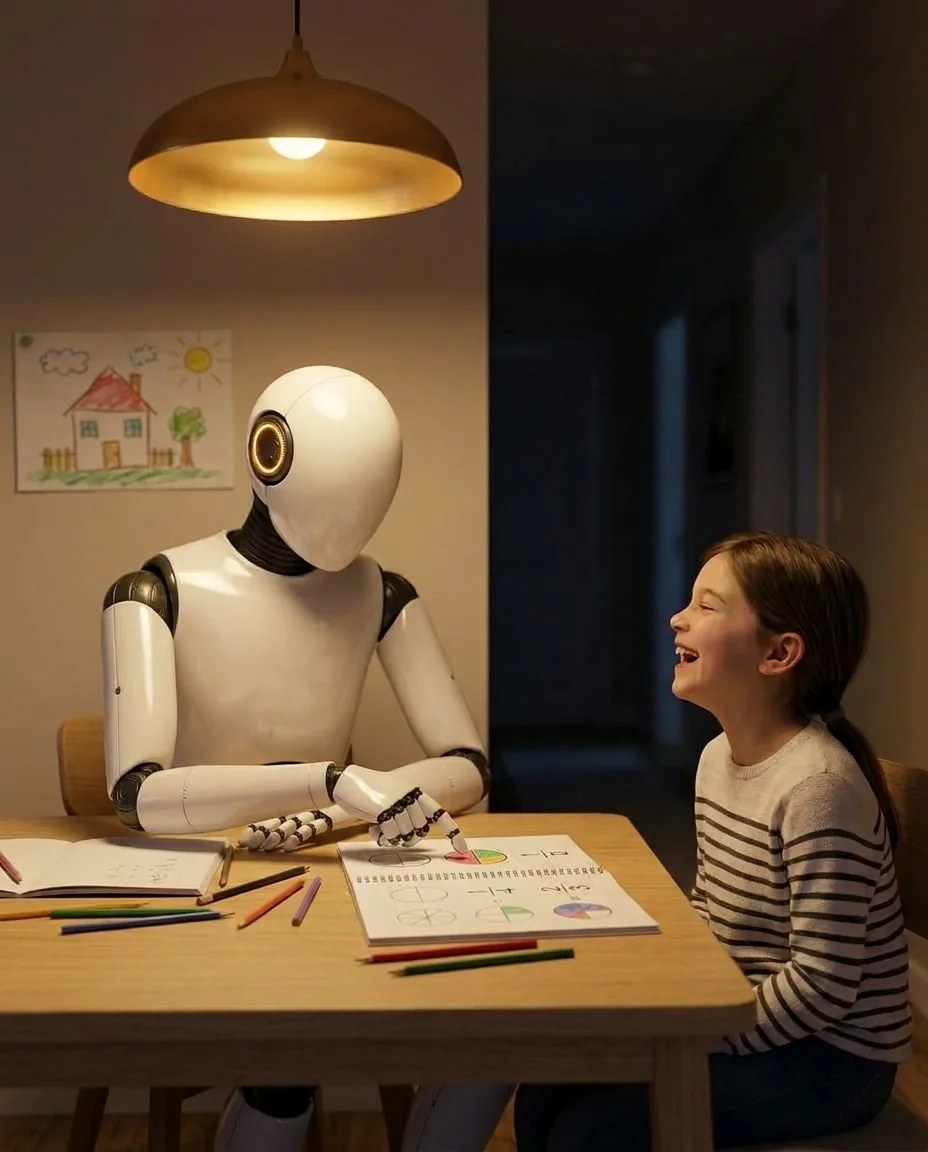
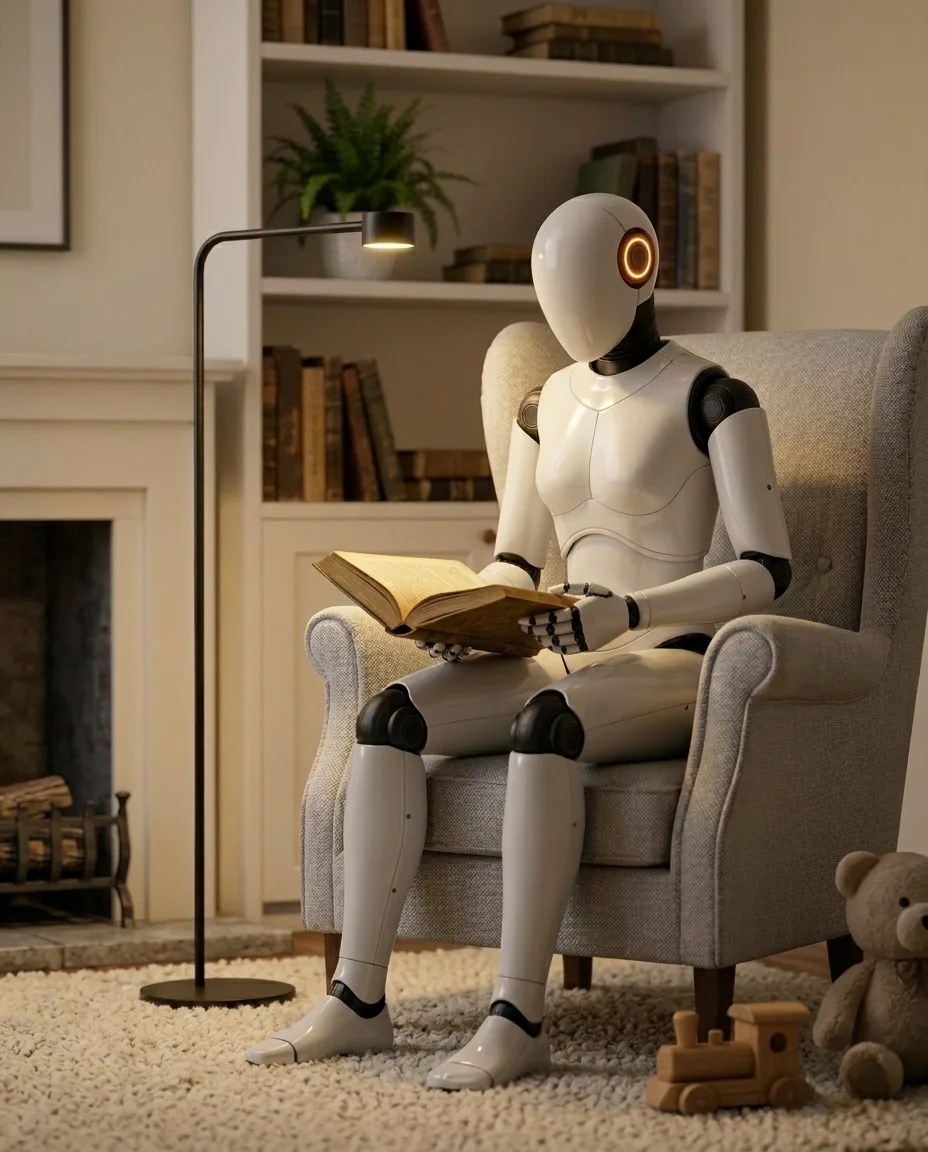
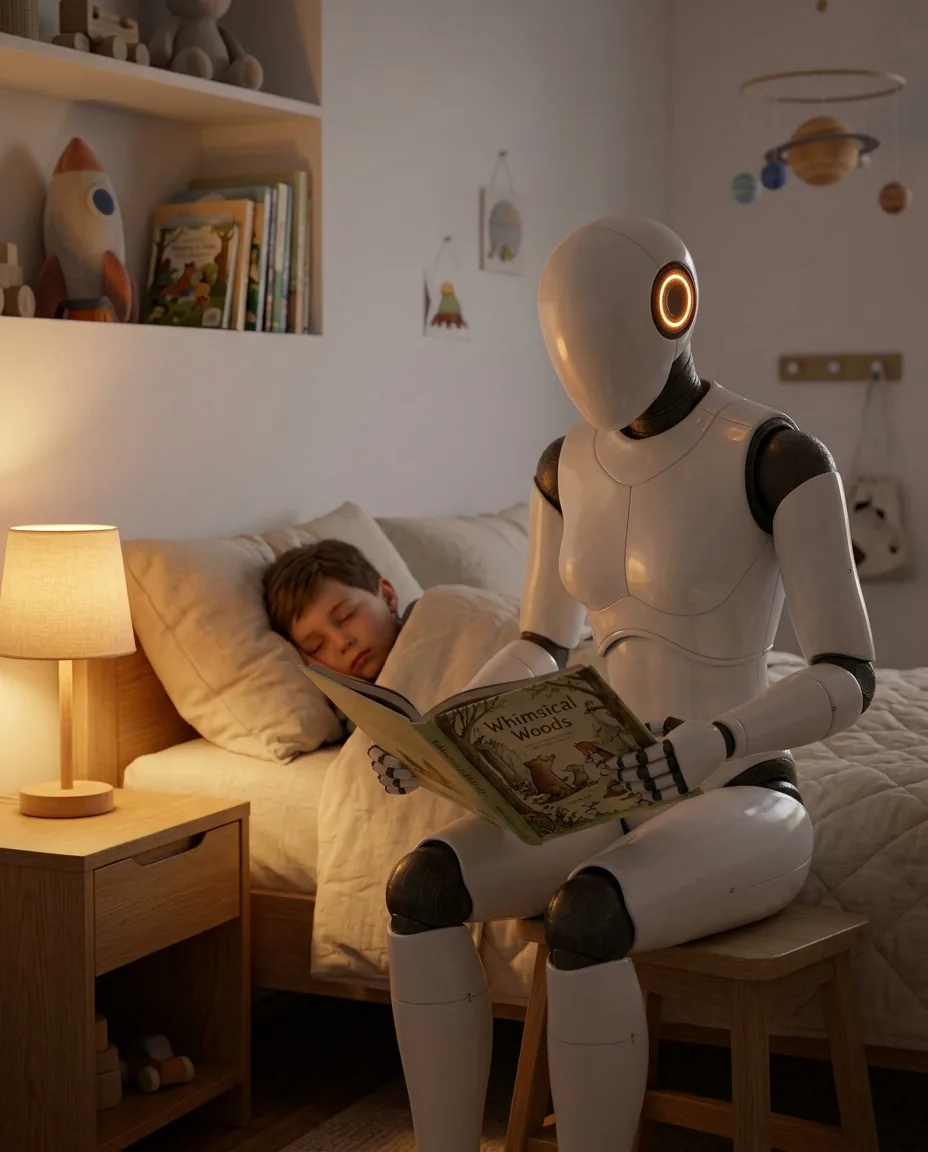
The first book about what will happen inside your family when the humanoid robot walks through the door, told by a father who had already confided in an AI what he hadn’t told his wife.
Not fear, and not a manual. The questions you’ll have to answer before it knocks on your door.
Contents
- 00IntroductionThe Hallway Manifesto in the Age of Superintelligence
- 01Chapter 1The Speed of Synthetic Empathy
- 02Chapter 2The Marginal Cost of Affection
- 03Chapter 3The Dining Table: The Work Nobody Paid For
- 04Chapter 4Comfort vs. Guilt, and Status Parenting
- —InterludeA Function That Isn’t Mine
- 05Chapter 5The Valley of Trust: Design and Hyperrealism
- 06Chapter 6The Legislative Trench and the Two Speeds
- 07Chapter 7The Synthetic Generation
- 08Chapter 8The Revolution for Synthetic Rights
- —EpilogueThe Refuge of the Imperfect
Read before it’s out
The Introduction and Chapter 1, free.
A monthly dispatch on humanoid robots entering our homes, with the United States and China side by side.
First dispatch: November 2026. To receive it, write to us and we’ll add you by hand.
For journalists, researchers, and publishers.
Hugo Alder
Hugo Alder isn’t his real name.
He writes under it because his day job is of a very different nature: he invents things for children. Characters and worlds that, if all goes well, end up as animated series, books, learning games and toys that someone hugs before falling asleep. He has spent years studying what makes a child attach to something that doesn’t exist, and what makes them adore it, reject it or forget it the next morning.
He is also a novelist, a father, and a man who one morning told an AI what he hadn’t told his wife. That morning became this book.
He is neither a technophobe nor an evangelist. He works with AI every day, and he wanted to know, before the robot knocks on the door, what it will ask of us.
He signs with a pen name so that the book is judged by its questions and its sources, not by its author. Every fact in it links to the page where it was published.
The Tireless Parent is his first essay. It won’t be his last.